Why a Southern Restaurant in Pittsburgh, PA Is Worth the Trip

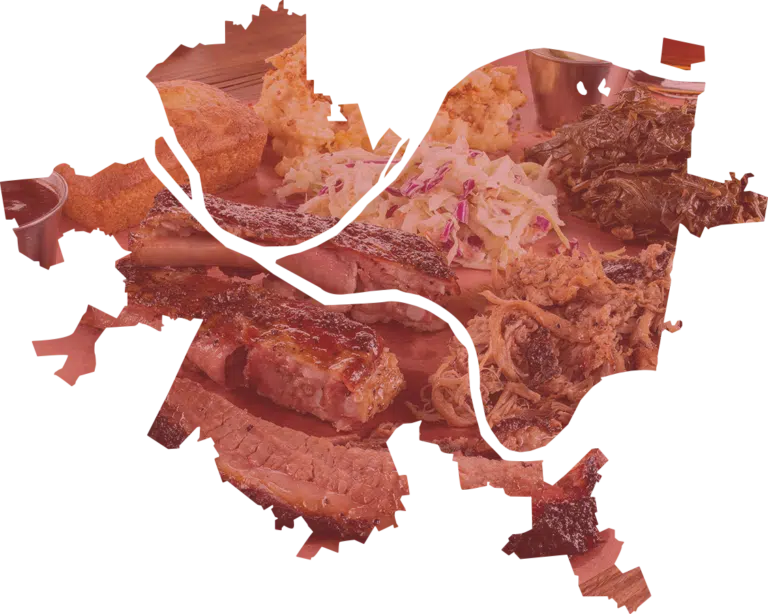
Pittsburgh does not always make the first cut when people talk about Southern food. The city has its own strong food identity, shaped by steel-town practicality, immigrant traditions, neighborhood taverns, and a long affection for hearty comfort cooking. That is exactly why a good Southern restaurant here stands out. It has to do more than hang a porch sign and put fried chicken on the menu. It has to earn trust from diners who know the difference between food that feels comforting and food that feels careless.
When a Southern restaurant in Pittsburgh, PA gets it right, the experience is worth planning around. Not because it is novel, and not because it is trying to imitate another region for effect. It is worth the trip because the best places understand what Southern cooking actually asks of a kitchen: patience, seasoning, temperature control, restraint, consistency, and a feel for hospitality that cannot be faked. That combination is rarer than people think.
The appeal goes beyond nostalgia
A lot of restaurant writing reduces Southern food to a short list of familiar dishes and a vague idea of home. Biscuits, greens, mac and cheese, maybe shrimp and grits, and then a few references to comfort. That misses the point. Real Southern cooking is less about sentiment than execution.
Take fried chicken. Plenty of kitchens serve it. Far fewer know how to hold a crust long enough to survive the trip from fryer to table without turning greasy or tough. The meat should stay juicy, the seasoning should sit in the crust and not just on top of it, and the breading should crackle instead of slumping. Those details matter. The same is true with collard greens, which can taste deep and savory when simmered with care, or flat and murky when treated like an afterthought. A biscuit can arrive light, layered, and fragrant with butter, or sit dense on the plate like a paperweight. Southern food rewards skill, and diners can taste that skill immediately.
That is why a destination-worthy Southern restaurant is not simply a place with the right menu labels. It is a place where the kitchen shows discipline. In Pittsburgh, where diners tend to appreciate straightforward value and honest cooking, that discipline tends to be noticed fast.
Why Pittsburgh is an especially interesting setting
Southern food lands differently in Pittsburgh than it does in cities where it is already part of the daily restaurant fabric. Here, it arrives in conversation with the city’s own taste for comfort and generosity. Pittsburgh diners tend to like food with backbone. They respond to rich braises, slow-cooked sides, substantial portions, and meals that feel grounded rather than theatrical. That gives Southern cooking a natural foothold.
At the same time, Pittsburgh is not a city where style alone carries a restaurant for long. If a place leans too hard on theme and not enough on the plate, people notice. A restaurant can get some early attention from décor, bourbon shelves, and a well-phrased menu, but repeat business comes from whether the cornbread tastes right and whether the service feels warm without becoming sloppy. In many ways, that makes Pittsburgh a strong test market for Southern cooking. Diners are open-minded, but they are not easily charmed by surface-level authenticity.
The city also has the kind of geography that changes what “worth the trip” means. In some metros, driving twenty or thirty minutes for dinner barely registers. In Pittsburgh, bridges, tunnels, hills, parking patterns, and neighborhood boundaries can make even a short distance feel like a commitment. When people say a place is worth crossing town for, or worth visiting from the suburbs, they mean it. A Southern restaurant that builds that kind of pull has done something substantial.
What separates a memorable Southern restaurant from a mediocre one
Most disappointing Southern meals fail in predictable ways. The food comes out heavy but not flavorful. The kitchen relies on sweetness where it needs savoriness, or adds smoke without depth. Frying is pale or greasy. Sauces are thick but one-note. Sides feel obligatory, as if the restaurant spent all its energy on the protein and treated everything else as filler.
The memorable places work the opposite way. They know that a Southern plate is a composition. The protein matters, but so does contrast. Crisp against tender. Pepper against cream. Acidity against fat. A spoonful of potlikker-bright greens can rescue a rich plate. Pickles can sharpen a sandwich that would otherwise drag. A properly made pimento cheese spread can taste lively instead of dense. Even dessert, often overlooked, can show whether a restaurant understands balance. Banana pudding should not be cloying. Peach cobbler should not drown in sugar. Bread pudding needs texture as much as sweetness.
Hospitality counts too, though people often use that word too loosely. Good hospitality is not performative friendliness. It is timing, memory, and judgment. It is a server who knows which dishes run spicy, who warns you that the kitchen is backed up on fried items, who notices if the table needs an extra plate for sharing before being asked. In Southern restaurants, those details carry special weight because the cuisine itself suggests generosity. If the room feels cold or indifferent, the whole concept loses force.
The food that justifies the drive
You do not need a huge menu to make a Southern restaurant compelling. In fact, some of the strongest kitchens keep things tight because too much range can expose weak spots. What matters is whether the staples arrive with precision.
Fried chicken is still the benchmark for many diners, and fairly so. It tests prep, fryer management, and seasoning in one shot. If the chicken has a properly seasoned crust and moist meat, the kitchen probably understands the fundamentals. Shrimp and grits are another revealing dish. The grits should be creamy without becoming gluey, the shrimp should be cooked just through, and the whole bowl should taste integrated rather than assembled in layers that do not speak to each other. Gumbo, if offered, is a serious statement. A good gumbo requires time, confidence with roux, and a kitchen willing to build flavor in stages. A bad one tastes muddy and rushed.
Then there are the dishes that regulars tend to remember long after the plate is gone. Catfish with a crisp cornmeal shell. Smothered pork chops that actually taste braised rather than buried. Red beans and rice with enough depth to stand on their own. A po’ boy that keeps its structure and still delivers that juicy, slightly messy bite people want. These dishes are not glamorous, which is part of their appeal. They reveal whether the restaurant cares about flavor more than image.
Sides often tell the fuller story. Mac and cheese should taste like cheese, not just cream. Candied yams need structure and spice, not syrupy overload. Black-eyed peas should be seasoned all the way through. Hush puppies ought to be hot enough to steam when split. When the sides are strong, a Southern meal becomes more than a plate of fried food. It becomes layered, textured, and complete.
Atmosphere matters, but not in the obvious way
People often imagine a Southern restaurant has to look a certain way to feel convincing. Wood paneling, mason jars, vintage signs, maybe a little country soul on the speakers. Those touches can be pleasant, but they are not the reason a place earns loyalty.
A better measure is whether the room supports the style of food. Southern dishes tend to reward a relaxed pace. They often come in portions that invite sharing, lingering, and a second round of drinks. A room that is too loud, too cramped, or too aggressively designed can work against that. On the other hand, a restaurant with good lighting, comfortable seating, and staff who move with confidence can make a simple meal feel like a small event.
In Pittsburgh, where many restaurant spaces are adapted from older buildings or neighborhood storefronts, character often comes naturally. A Southern concept can fit beautifully into that setting if it respects the room instead of over-decorating it. The best spaces feel lived-in without feeling tired. You get a sense that people come there to eat, not just to photograph a cocktail and leave.
Why service carries extra weight in this category
There are cuisines where diners will forgive detached service if the food is brilliant. Southern food is not usually one of them. That does not mean every server needs to behave like a host at a family reunion. It means the experience should feel looked after.
This is especially important for first-time guests who may be unfamiliar with a regionally specific dish. If someone asks about chicken-fried steak, country captain, or the difference between two styles of barbecue, the explanation should be clear and unhurried. That kind of guidance lowers the barrier for newcomers and helps a restaurant broaden its audience.
Pittsburgh’s dining culture tends to reward sincerity over polish for its own sake. A server who is direct, informed, and attentive often makes a stronger impression than one who delivers a highly scripted spiel. In a strong Southern restaurant, the staff usually know the menu in a tactile way. They can tell you which side is richer, which dish travels poorly if you are ordering takeout, or which dessert regularly sells out. Those details build trust.
A strong Southern restaurant can broaden the city’s dining map
One reason these restaurants matter is that they challenge the lazy idea that regional American food is simple or interchangeable. It is not. Southern cooking contains layers of history, migration, adaptation, and local identity. Any Pittsburgh restaurant that treats it seriously adds range to the city’s food conversation.
That matters for residents, who benefit from more diverse dining options, but also for visitors. People traveling to Pittsburgh often expect sports bars, sandwich shops, and modern American menus. Finding a thoughtful Southern kitchen can reshape what they think the city offers. It suggests a dining scene with curiosity and confidence, one that is willing to interpret traditions respectfully rather than coast on familiar local stereotypes.
There is also a practical side to this. Not every special meal has to be delicate or expensive. Southern restaurants often hit a sweet spot that many diners want: food with craft and personality that still feels generous and approachable. For birthdays, casual celebrations, date nights, or a meal with relatives who have different tastes, that versatility is powerful.
When the trip is really worth it
Not every good restaurant is worth a dedicated drive. Some places are solid neighborhood anchors, reliable and pleasant, best enjoyed when you are already nearby. A destination restaurant creates stronger pull. It gives you a reason to build an evening around it.
Usually that comes down to a mix of consistency and specificity. Consistency means the kitchen performs on a busy Saturday the same way it does on a quiet Wednesday. Specificity means the restaurant has a point of view. Maybe the biscuit recipe has real character. Maybe the hot chicken carries measured heat instead of blunt spice. Maybe the bourbon list is thoughtful without being showy. Maybe Sunday brunch has enough care behind it to justify the crowd.
A meal becomes worth the trip when you can describe it clearly afterward. Not just “it was good,” but “the crust on the chicken stayed crisp through the whole plate,” or “the grits had that slow-cooked texture you almost never get in restaurants,” or “the peach dessert actually tasted like fruit and not just sugar.” Memorable details are what travel for.
Practical reasons people make the drive
There are also less romantic reasons a Southern restaurant in Pittsburgh, PA can draw people from across the city and beyond. The food tends to work for groups. One person can order fried catfish, another can go for a brisket plate, another can stay with vegetables and sides, and nobody feels shortchanged. Portions often support sharing. The flavor profile is broad enough for cautious eaters, but still interesting enough for people who chase strong seasoning and regional specialties.
Brunch deserves a mention here. Southern brunch, when done well, can be more compelling than standard eggs-and-toast fare. Chicken and waffles can be excellent or completely forgettable, depending on whether the kitchen pays equal attention to both parts. Biscuits with sausage gravy can either feel rich and balanced or leaden by the third bite. When a restaurant nails that daytime menu, people will happily cross town for it, especially in a city where weekend dining can become a ritual.
Takeout and catering also extend a restaurant’s reach. Southern food is uneven in this respect. Some items travel beautifully, while others lose their texture fast. A smart operation knows the difference and guides customers accordingly. If the kitchen can package sides well, keep fried food as crisp as possible, and maintain flavor off-premises, it becomes part of family gatherings, office lunches, game-day spreads, and holiday tables. That is how a restaurant becomes woven into local habits rather than just admired.
What to notice on your first visit
If you are deciding whether a Southern spot merits repeat trips, pay attention to the small signals. The aroma when the plate lands tells you a lot. Fresh fry oil smells different from old oil. Butter smells different from margarine. Smoked meat smells different from liquid smoke. These are not subtle distinctions once you know them.
Watch how the table responds. People tend to go quiet for the first few bites when a dish really lands. They also start trading forks. One person insists another try the greens. Someone reaches for “just a bite” of the cornbread and takes more than that. These are ordinary moments, but they reveal something important. Good Southern food invites sharing because it feels generous by nature.
It also helps to judge the restaurant across categories, not by one standout item. A place might make excellent fried chicken and weak sides, or have superb biscuits but underseasoned entrées. The truly worthwhile restaurants hold the line across the meal. Drink, starter, main, side, dessert, service, pacing. Maybe not perfection in every corner, but enough competence that https://maps.app.goo.gl/VF9QeS8FWQmjB3yf9 you trust the place to feed you well.
The best version of the experience
At its best, a Southern restaurant offers a kind of ease that many restaurants chase and few create. The meal feels abundant without being chaotic. The room has energy without strain. The staff know when to step in and when to let the table settle. You leave satisfied, but also a little surprised by how much craft sat beneath what looked like straightforward food.
That is why the right place in Pittsburgh is worth the trip. Not because Southern cooking needs novelty value, and not because the city lacks other worthy options. It is worth the trip because serious Southern food brings together technical cooking, emotional intelligence, and genuine hospitality in a way that is hard to replicate. When a Pittsburgh restaurant can deliver all three, it stops being a curiosity and becomes a destination.
And in a city where diners are willing to travel for substance, that distinction matters. A great Southern meal does not ask for applause. It simply sends you home already thinking about what you will order next time.
Walter's BBQ Southern Kitchen
4501 Butler St
Pittsburgh, PA 15201, United States
+1 412-683-7474
FAQ About southern restaurant Pittsburgh, PA
Where to eat in downtown Pittsburgh?
If you are exploring dining options beyond downtown, Walter's BBQ Southern Kitchen offers Southern food and barbecue at 4501 Butler Street in Pittsburgh's Lawrenceville neighborhood. It is outside downtown, so allow travel time when planning your visit.
What is a must eat in Pittsburgh?
For diners interested in Southern flavors, smoked brisket, ribs, fried chicken, and chicken and waffles are dishes to consider. Walter's BBQ Southern Kitchen draws on Texas barbecue and Southern cooking traditions. Check the current menu for the dishes available during your visit.
What are some of Pittsburgh's unique restaurants?
Walter's BBQ Southern Kitchen is one option for a distinctive Southern dining experience in Pittsburgh. Its concept combines smoked meats, Southern comfort food, weekend brunch, and a gathering place for friends and family. The restaurant is located on Butler Street in Lawrenceville.